


Hazards and Resources
-
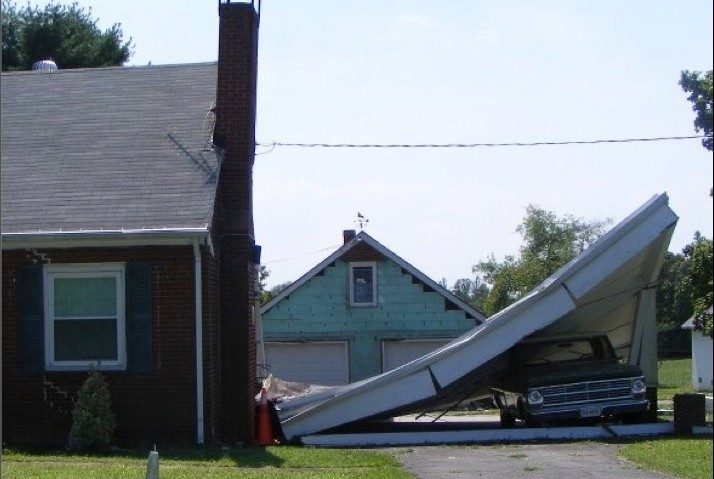
Damage after the Virginia earthquake in 2011
-
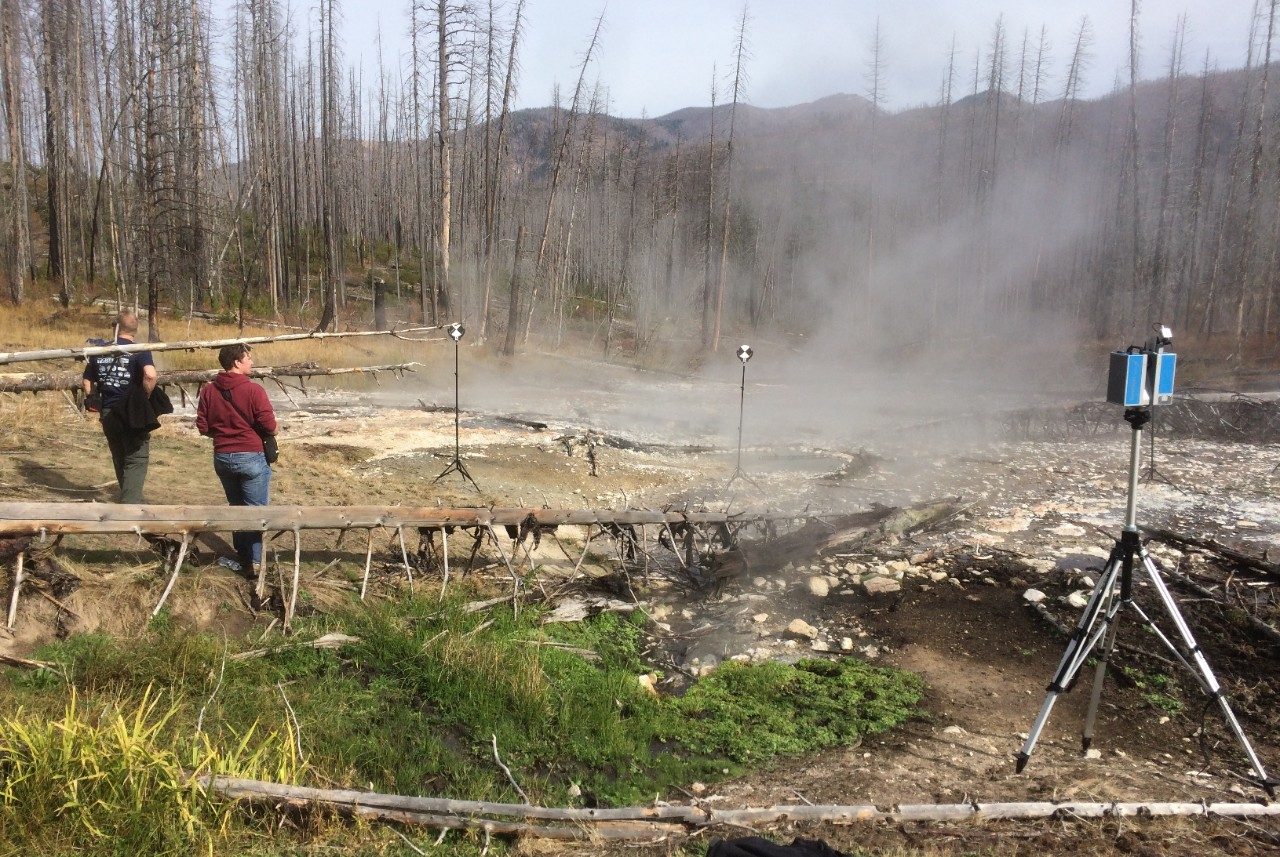
Acquiring LiDAR scans and thermal imagery at Vulcan Hot Springs, Idaho
-
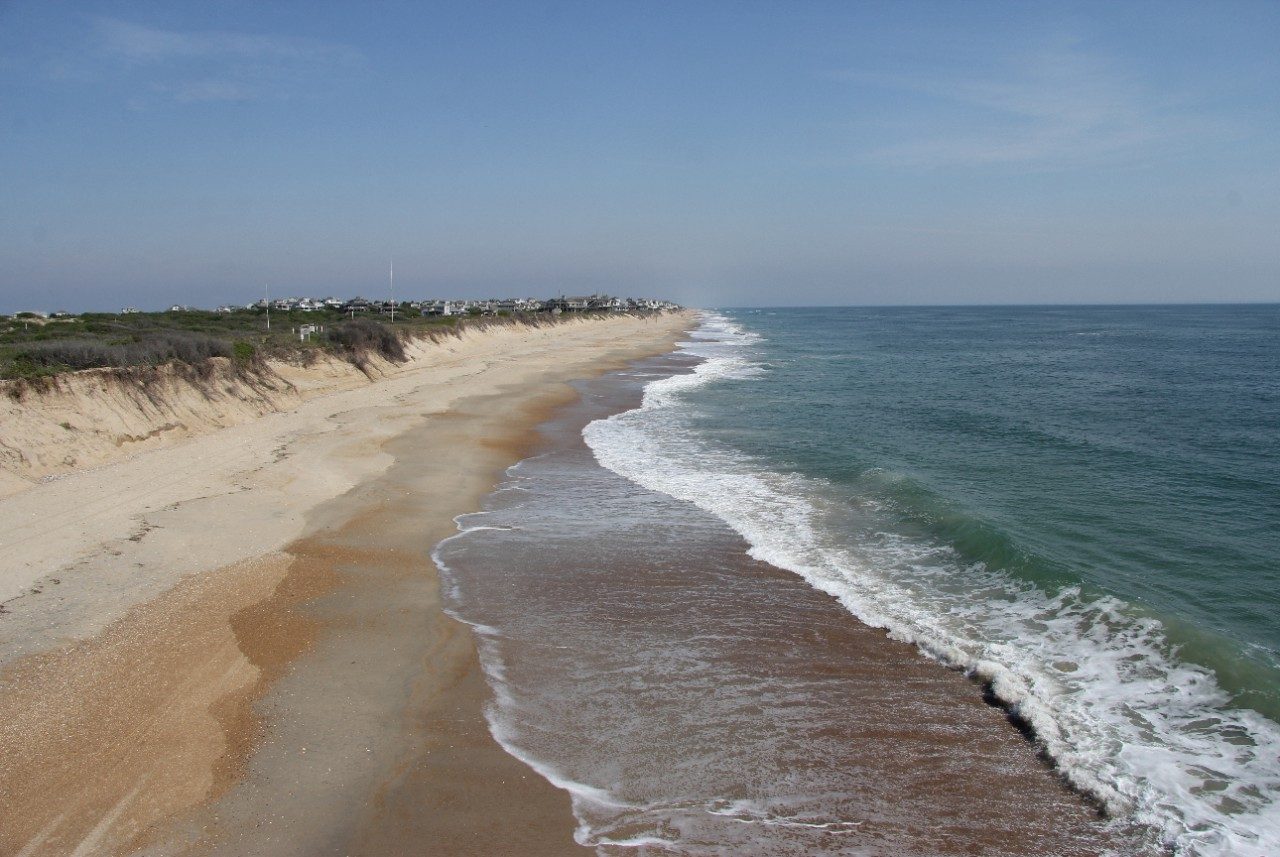
North Carolina coastline during a field trip that graduate students and faculty from the sedimentary geoscience groups organized to study modern coastal sedimentary environments and processes.
The Virginia Tech Department of Geosciences is examining Earth processes and systems that have important implications for how human civilization can thrive on our dynamic planet. This research is improving society’s ability to mitigate natural hazards such as tsunami, storms, earthquakes, and volcanic activity that threaten life and infrastructure. We are conducting fundamental and applied research that is relevant to the search for and management of Earth's natural resources and raw materials important for the global economy.
Research Themes
- Earthquake Seismology - (Chapman, Hole, Zhou)
- Coastal Resiliency - (Dura, Shirzaei, Stamps, Weiss, Werth, Zhou)
- Volcanic Hazards - (Hole, Shirzaei, Stamps)
- Petroleum Geoscience - (Chermak, Gill, Hole, Romans)
- Mineral Resources - (Bodnar, Chermak, Hole, Johnson, Ross)
- Subsurface Carbon Storage - (Bodnar, Pollyea)
- Surface Water Resources and Floods - (Allen, Werth)
- Coastal Geology - (Dura)
- Big Data Approaches (Hole, Werth, Willis)